The wrong chord
How public schools in Canada are failing the arts
Christopher Spicer
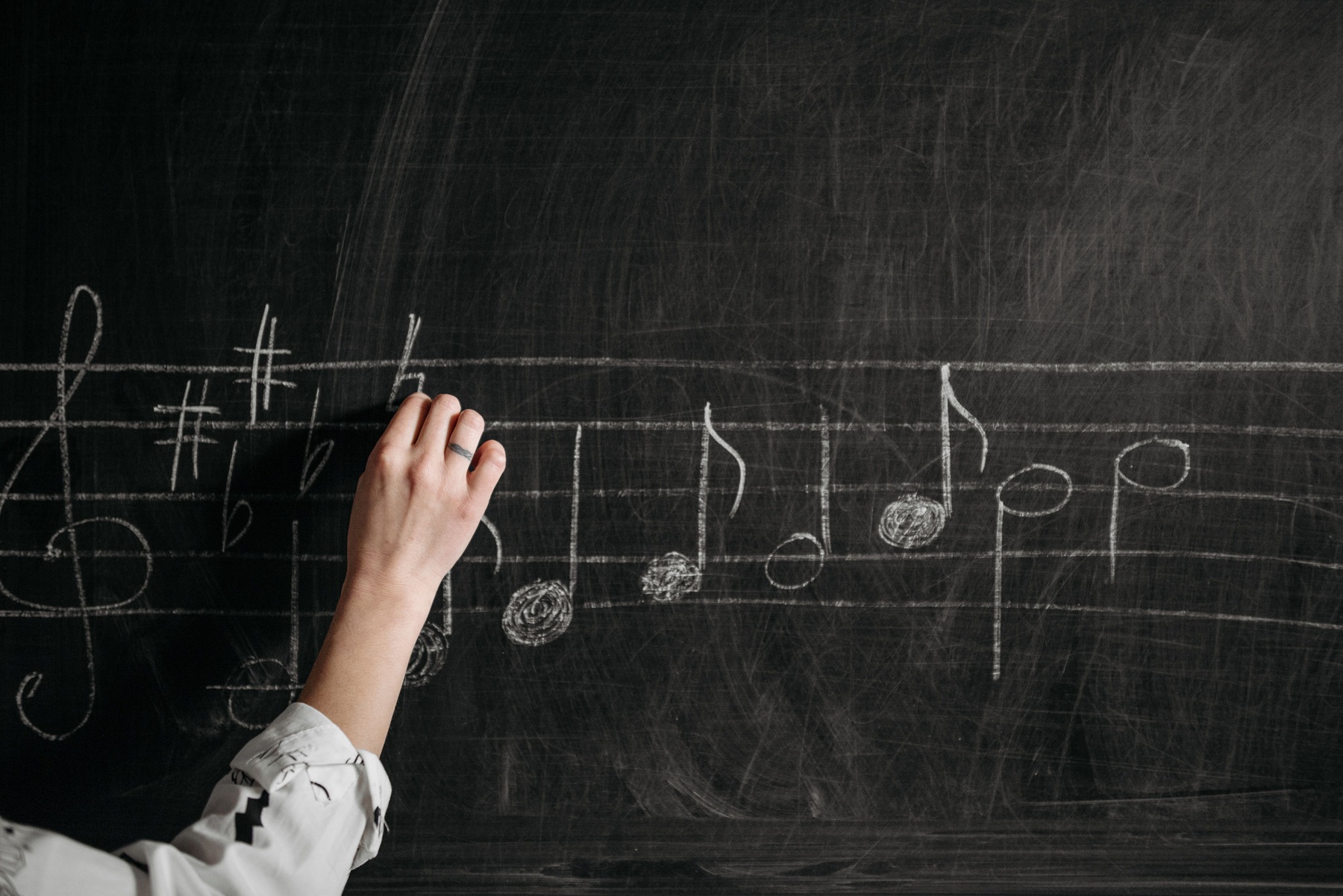
Photo by Pavel Danilyuk via Pexels
I was struggling in school: distracted, restless, and falling behind. I was an undiagnosed ADHDer and autistic kid, but it was the ’80s, so my fidgeting was treated as misbehaviour rather than a learning difference.
I was rescued by the unstoppable hero known as creativity. My mom, a teacher herself, turned our closet doors into a math game. She made a tree with bare branches filled with equations, scattered numbered leaves, and had Mickey Mouse raking the piles. To solve a problem, I matched the leaves with the right branch. I was moving, imagining, and having fun learning.
My parents saw that creative writing and imaginative play kept me focused and engaged. They enrolled me in a drama club where we created and performed our own plays. My mom encouraged me to wander the house with a notebook, cataloguing, recording stats, and inventing stories.
The confidence and joy I found in those experiences transformed my education. Math word problems became stories I could visualize while solving. Presentations turned into performances. I constantly found new ways to share what I learned through making videos, designing board games, and crafting newspapers complete with photos. For me, creativity was the key to opening up and expanding my learning.
Decades later, when my own kids showed that same spark, we enrolled them in musical theatre. They thrived. A few years ago, when my academically strong son was 11, I was shocked to see that his two lowest grades were in music and dance.
“Dad,” he said, “those classes suck. We just do worksheets. We don’t even sing or dance.” If a kid who dreams of musical theatre, sings for fun at home, and loves playing the cello hates those classes, then what chance do kids with no outside exposure to the arts have?
Liam Blevins, a fellow performer and high school student who also envisions a future in the arts, told me he ended up having to teach his Grade 7 and 8 drama class. When he reached high school, peers and even teachers saw arts courses as “easy As,” which frustrated someone who took them seriously.
Across Canada, arts are often the first casualty when boards face cuts. The Regina Public School Board voted this past summer to cut nearly half a million dollars from school band funding. In B.C., schools are seeing reductions to what’s deemed non-core curriculum, and the 29-year-old ArtStarts in Schools, which assisted with grants, artist showcases, and other programming, even paused its operations last year, cutting off a key source of support for art educators.
In Ontario, a 2024 survey by People for Education found that only 48 percent of elementary schools have a dedicated music teacher, down from 62 percent in 2020. Visual arts instructors dropped to 8 percent from 20 percent since 2019, and drama to 6 percent from 14 percent. One specialized arts teacher in southern Ontario told me that while they’re fortunate to focus on the arts full time, their classes are always the first to be cancelled when schedules shift.
This narrowing of what counts as “real learning” is devastating. When schools treat the arts as a luxury or therapy, they erase one of the most powerful forms of education we have. For neurodivergent people like me, creativity isn’t extra; it can be how we process the world. Movement, rhythm, story, colour: these aren’t distractions. They’re how many of us learn, focus, and think critically.
The arts don’t compete with “core” subjects; they elevate them. Music supports math. Drama deepens literacy. Visual art enhances spatial reasoning. Arts education also builds skills vital for both work and relationships: confidence, empathy, communication, problem-solving, perseverance.
Musical theatre and cello have given my kids joy, but more importantly, they’ve built confidence in social settings and helped them express emotions they once struggled to articulate. Toronto-based composer and piano teacher Michelle Lorimer shared a story about her son, who found cello practice frustrating at first but eventually connected deeply with the music he was making. That breakthrough strengthened not just his skills but his emotional expression. A southern Ontario arts program director described a teenage girl who arrived at an audition in tears, terrified to sing, only to reveal a beautiful voice. She became a sought-after vocalist, all because she was given a chance.
Cuts to arts programs erase access to these opportunities, which will deepen inequality. When creativity leaves the classroom, access becomes a matter of class. Families with money can pay for piano lessons, dance studios, or theatre programs. The arts shift from a public good to a private commodity for the privileged.
Public education should expand opportunity, not limit it. And yet, when arts programs disappear, so does imagination. If we want children who can innovate, communicate, empathize, and dream, then the arts must remain the heartbeat of our schools.