Super savers
Food rescue organizations across the country are filling the pantries of the 10 million people in need
Abigail Popple
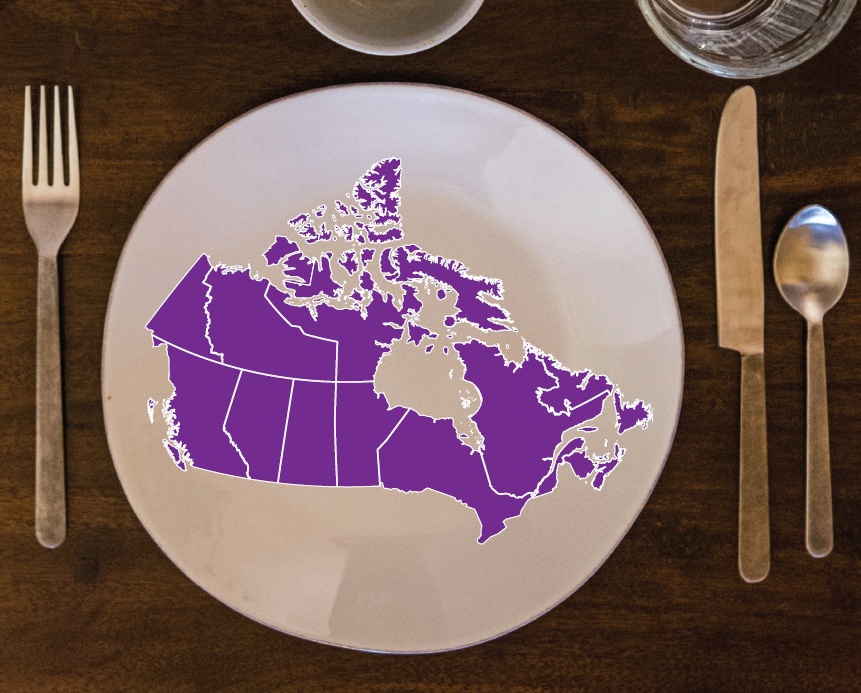
Photo by Christopher Jolly
If you’ve skipped a meal recently or cut down on portion sizes, you’re not alone. According to 2023 Statistics Canada data, roughly one in four Canadians is food insecure—that amounts to about 10 million people. Despite this, about half of all food produced in Canada goes uneaten due to wasteful manufacturing practices, inefficient bulk food storage and overpurchasing. Second Harvest, Canada’s largest food rescue, operates in every province and territory. In 2024, research they conducted found that 46.5 percent of all food in Canada is wasted at a cost of $58 billion in avoidable food waste each year. Food rescues, which collect imperfect produce and grocery stock that isn’t selling, combat food waste by sending surplus food to food banks and community organizations. Identification, proof of address and registration requirements vary by program—and some programs restrict visit frequency—so check before you go.
Atlantic Provinces
The Atlantic provinces face the highest rates of food insecurity in the country, outside of the territories. In Newfoundland and Labrador, 30 percent of residents report food insecurity, followed by New Brunswick (29.5 percent), Nova Scotia (29.3 percent), and Prince Edward Island
(24.6 percent).
However, the Atlantic region has several initiatives to combat food waste and address food insecurity. The Prince Edward Island Food Recovery Network, established in 2021 by Second Harvest, connects local producers and wholesale retailers with community organizations so good produce doesn’t go to waste. Partners include the West Prince Caring Cupboard in the western end of the province and the Salvation Army Food Bank in Summerside, which used the program to save over 2,400 pounds of fish and cheese after Hurricane Fiona hit PEI.
Nonprofit organization Feed Nova Scotia collects produce from retailers and farmers and distributes it to people across the province.
Likewise, Feed NB partners with local grocery stores, farmers and restaurants to rescue surplus food and distribute it to food banks and community agencies.
Quebec
In 2017, Food Banks Quebec established its own grocery stock rescue initiative with the Supermarket Recovery Program. The program collects products nearing the end of their shelf life from grocery stores, including every Metro, Loblaws and Sobeys location in the province. They recovered 10 million kilograms of food from 2024-2025 and sent it to community organizations throughout Quebec.
In Montreal, culinary experiment-turned-charity La Transformerie uses overripe fruits to make canned jams, which staff distribute to local food banks.
Ontario
Windsor-based group UHC – Hub of Opportunities manages a food rescue program that collects fresh and prepared food from farmers, grocery stores, and banquet halls, among other donors. They use many of the donations in their community kitchen and distribute the rest to food banks throughout Ontario, including Thunder Bay’s Regional Food Distribution Association, The Food Bank of Waterloo Region, and others.
In Toronto, several community fridges are open across the city 24/7 for people to take the food they need. The fridges rely on monetary and food donations from community members.
Western Canada
One in four Alberta households is food-insecure, according to Alberta Health Services. Rising costs of living and low incomes exacerbate the issue.
Five days per week, staff at Calgary Co-op stores sort through produce and find grocery items nearing their best-buy date and send them to the Calgary Food Bank, which puts them into food hampers. Calgary residents can get a hamper every 10 days.
On Vancouver Island, the Loaves & Fishes Community Food Bank network has been operating a food recovery program since 2012. Staff visit grocery stores on the island daily, load food into refrigerated trucks and bring it to a warehouse for sorting. Lower quality food is sent to compost sites or used as animal feed, while the highest-quality food goes to food banks, schools, and other partners, as well as free food markets in Cedar, Port Hardy, Nanaimo, Woss, Port McNeill, Port Alice, and Sointula.
The North
Due to high food costs, isolation, limited infrastructure, and the decline of traditional food systems, more people face food insecurity in the territories than in the provinces. In 2022, 62.6 percent of Nunavut residents were food insecure. So were 27.6 percent in the Northwest Territories and 21.4 percent in Yukon.
The remoteness of the territories means food rescue is challenging, particularly in Nunavut, which is the only province or territory not connected to the rest of Canada by road. In 2022, Second Harvest, Arctic Co-operatives Limited, and shipping and freight companies partnered to deliver shelf-stable food from the Greater Toronto Area to Nunavut by sealift.
Food Rescue Yellowknife has been redistributing food from local grocers to nonprofits, schools and daycares since 2008. The organization picks up food and also accepts drop-offs, collaborating with 31 community programs weekly.
Whitehorse-based Food Bank Society of the Yukon supports about 2,000 people per month through hampers of rescued and donated food. The organization also ships hampers of shelf-stable food to surrounding Yukon communities and into northern B.C.